Thursday, November 10, 2016

2017 Honda Pilot Gets Apple CarPlay™ and Android Auto™

  • Pilot adds latest in connectivity with Apple CarPlay and Android Auto
  • Black interior now available on all trims with White Diamond Pearl exterior
  • Pilot recognized among Best Family Cars by KBB.com, Parents Magazine and Edmunds.com
TORRANCE, Calif., November 4, 2016 – Honda continues to strengthen its position in the three-row SUV segment with fresh updates to the award-winning Honda Pilot for the 2017 model year. The 2017 Pilot will now be available with Apple CarPlay™ and Android Auto™ functionality, a new fingerprint resistant touchscreen and an expanded interior color palette. The 2017 Honda Pilot goes on sale beginning Monday, November 7, with a starting manufacturer's suggested retail price (MSRP)1 of $30,595 for LX 2WD and $32,395 for LX AWD.

"The all-new third-generation Pilot has been a huge hit with SUV buyers," said Jeff Conrad, Honda Division senior vice president and general manager. "For 2017, we're making Pilot even more appealing with new technology and options that our customers are seeking."

Honda was among the first automakers to incorporate Apple CarPlay and Android Auto, starting with the 2016 Accord and Civic. For 2017, Pilot EX and above trims will now feature Apple CarPlay™ and Android Auto™ functionality integrated into an improved 8-inch Display Audio touchscreen. These models will also see application of a new coating to reduce the appearance of fingerprints on the screen while retaining high glare resistance. Customer choice is also further enhanced for 2017 with extended availability of a black interior, now available on all trims optioned with the White Diamond Pearl exterior paint (previously available only on Elite).

Since its introduction in the summer of 2015, the Honda Pilot has earned a host of awards and accolades, including being named one of the "Best Cars for the Money" by U.S. News & World Report; "Best SUV of 2016" by Hispanic Motor Press; "Best Family Cars of 2016" by KBB.com, Parents Magazine and Edmunds.com; and as a finalist for 2016 North American Truck/Utility of the Year.

2017 Pilot Pricing and EPA Fuel Economy Ratings
Model Transmission MSRP1 EPA2
City/HWY/Combined MPG
LX 2WD $30,595 19/27/22
LX AWD $32,395 18/26/21
EX 2WD $33,030 19/27/22
EX AWD $34,830 18/26/21
EX w/Honda Sensing 2WD $34,030 19/27/22
EX w/Honda Sensing AWD $35,830 18/26/21
EX-L 2WD $36,455 19/27/22
EX-L AWD $38,255 18/26/21
EX-L w/ Honda Sensing 2WD $37,455 19/27/22
EX-L w/ Honda Sensing AWD $39,255 18/26/21
EX-L w/Navi 2WD $37,455 19/27/22
EX-L w/Navi AWD $39,255 18/26/21
EX-L w/RES 2WD $38,055 19/27/22
EX-L w/RES AWD $39,855 18/26/21
Touring 2WD $41,670 20/27/23
Touring AWD $43,470 19/26/22
Elite AWD $47,070 19/26/22

Family-Friendly Utility
The Pilot builds on its reputation for interior space, versatility and utility with comfortable seating for up to eight passengers and a cargo area that can hold an 82-quart cooler without compromising third-row seating capability. Third-row entry and exit is easy and intuitive courtesy of the available one-touch second-row seat on EX-L and above models, and large third-row entryway.
The Pilot's center console features a cavernous storage compartment capable of accommodating items as large as a full-size iPad or a purse. And with its seamless cover in the closed position, the console provides a convenient, non-slip surface for items that the driver or front passenger may need close at hand.

Powertrain
The 2017 Pilot delivers refined, powerful and fuel-efficient performance courtesy of its 3.5-liter, direct-injected i-VTEC® V-6 engine with Variable Cylinder Management™ (VCM™) cylinder deactivation technology producing peak output of 280 horsepower and 262 lb.-ft. of torque.3 The engine is matched to a choice of two advanced transmissions – a 6-speed automatic transmission or, on upper trims, a 9-speed automatic transmission – both delivering refined, responsive and fuel-efficient performance.

These powertrains combine with a light yet rigid unit-body structure and aerodynamically efficient body and chassis designs that result in class-leading EPA fuel economy ratings topping out at 20/27/23 mpg (city/highway/combined) for two-wheel-drive models and 19/26/22 mpg for all-wheel-drive models.2

Intelligent Variable Torque Management (i-VTM4™) AWD System
The Pilot's available Intelligent VTM4 (i-VTM4) is the most sophisticated and technologically advanced all-wheel-drive system offered in a mainstream, three-row SUV. This entirely more capable system progressively distributes optimum torque between the front and rear axles and dynamically distributes engine torque between the left and right rear wheels. Benefits include superior all-weather handling and neutral, accurate steering under power that is more effective than front-drive, rear-drive or conventional all-wheel-drive systems.

Intelligent Traction Management
All Pilots feature a button-operated Intelligent Terrain Management System that offers different operating modes, for the AWD: Normal, Snow, Mud and Sand; and for the FWD: Normal and Snow. Developed, tuned and tested in challenging locations in the U.S. and around the world – including Imperial Dunes "Glamis", California; Moscow, Russia; and Dubai, United Arab Emirates – the Intelligent Traction Management system allows the driver to select the operating mode that best suits the driving conditions by simply pushing a button on the vehicle's center console. Based on the setting selected, the system adjusts the drive-by-wire map, transmission shift map, Vehicle Stability Assist™ and i-VTM4 torque distribution for AWD-equipped models for optimal performance in a variety of road or surface conditions.

Advanced Safety and Assistive Performance
In keeping with Honda's commitment to safety and driver convenience, the Pilot is available with Honda Sensing™, a suite of technologies designed to expand the driver's situational awareness while sensing and responding to potential road hazards, including other vehicles, road obstacles and even pedestrians, even to the point of mitigating the possibility or severity of a collision. The Pilot includes a standard Multi-Angle Rearview Camera and an available suite of safety and driver assistive technologies that includes LaneWatch™ display, a blind spot information system, Collision Mitigation Braking System™ (CMBS™), Lane Departure Warning (LDW), Forward Collision Warning (FCW), Lane Keeping Assist System (LKAS), Adaptive Cruise Control, Road Departure Mitigation (RDM) system and Rear Cross Traffic Monitor.

The 2017 Pilot earned top safety ratings from the National Highway and Traffic Safety Administration (NHTSA), including a 5-Star Overall Vehicle Score, and is expected to earn a Top Safety Pick rating from the Insurance Institute for Highway Safety (IIHS), including a GOOD rating in all crash modes and a SUPERIOR rating for front crash prevention. The Pilot incorporates Honda's next generation Advanced Compatibility Engineering™ (ACE™) body structure, designed to efficiently absorb and disperse the energy from a frontal collision, along with ultra-high-strength door rings designed to help better protect occupants.

Standard safety and driver-assistive features include four-channel anti-lock brakes (ABS) with Brake Assist and Hill Start Assist; Vehicle Stability Assist™ (VSA®) with Traction Control; dual-stage, multiple-threshold front airbags, driver and front passenger side airbags and side-curtain airbags for all outboard seating positions; and a Tire Pressure Monitoring System (TPMS) with real-time display of individual tire pressures.

Pilot Manufacturing
The Honda Pilot was designed and developed by Honda R&D Americas, Inc., in Los Angeles and Ohio, and is manufactured exclusively by Honda Manufacturing of Alabama, LLC in Lincoln, Alabama using domestic and globally sourced parts.

About Honda 
Honda offers a full line of reliable, fuel-efficient and fun-to-drive vehicles with advanced safety technologies sold through over 1,000 independent U.S. Honda dealers. The Honda lineup includes the Fit, Civic and Accord passenger cars, along with the HR-V, CR-V and Pilot sport/utility vehicles, the Ridgeline pickup and the Odyssey minivan.

Honda has been producing automobiles in America for 33 years and currently operates 19 major manufacturing facilities in North America. In 2015, more than 99 percent of all Honda vehicles sold in the U.S. were made in North America, using domestic and globally sourced parts.

1 MSRP (Manufacturer's Suggested Retail Price) excluding tax, license, registration, $880 destination charge and options. Dealer prices may vary.
2 Based on 2017 EPA mileage ratings. Use for comparison purposes only. Your mileage will vary depending on how you drive and maintain your vehicle, driving conditions and other factors.
3 Peak power: 280 HP @ 6000 RPM (SAE net), peak torque: 262 ft-lb (355 Nm) @ 4700 RPM (SAE net)

Source;
http://www.hondanews.com/releases/2017-honda-pilot-gets-apple-carplay-and-android-auto

Honda reveals WR-V compact SUV

Get ready for the Winsome Runabout Vehicle. Honda Automoveis do Brasil Ltda., the Honda automobile production and sales subsidiary in Brazil, exhibited the world premiere of a planned production model, the all-new Honda WR-V compact SUV at the Sao Paulo International Motor Show 2016. Here’s the news from Honda:
 
Based on the research of customer needs in South America, Honda R&D Brazil developed the WR-V as a vehicle that realizes a “tough and urban” SUV design as well as excellent utility and a spacious cabin within a compact body size. Moreover, the all-new WR-V also features outstanding fuel economy and stable handling performance, which accommodates various needs in the daily lives and recreational activities of customers who enjoy active lifestyles.

Honda is planning to sell the all-new WR-V in South America, and the market introduction in Brazil is scheduled to be in the first half of 2017.

Takahiro Hachigo, President, Chief Executive Officer and Representative Director of Honda Motor Co., Ltd., said, “Ever since we began business in Brazil in 1971, Honda has been supported by a total of 24 million customers in Brazil through their purchase of our motorcycles, automobiles and power products. Introduction of this all-new WR-V is a testament to Honda’s commitment to the South American market, and we will continue to deliver more products unique to Honda that please our customers,”

Source;

Friday, June 24, 2016

2016 (2017) Honda Freed rendered based on patent leak (Not for North America)

2016/2017 Honda Freed Patent Leak

While its North American subsidiary is busy working on the fifth generation Honda CR-V, back home Honda is testing the Honda Freed MPV’s second generation model.

The second generation Honda Freed is said to launch in Japan this August. Already spied testing several times in Japan, and leaked in a patent image earlier this week, a speculative rendering by Adrians Ramadhani gives a clear look at the City-based MPV’s stance.

The next-gen Honda Freed is reported to measure 4,250 mm in length, 1,695 mm in width and 1,710 mm in height (35 mm longer and at least 5 mm taller than the current JDM-spec Honda Freed).

The 1.5-litre naturally aspirated petrol engine will reportedly continue serving in the second generation. The new 1.0-litre turbocharged petrol engine to be offered in the tenth-gen Civic later this year, will not be available on the Freed during its launch, another report said.

As for the hybrid variant which will be, the IMA (Integrated Motor Assist) will be replaced by the i-DCD dual-clutch hybrid system. The hybrid system’s combustion engine will be a 1.5-litre naturally aspirated unit, mated to an electric motor, and the transmission will be a 7-speed dual-clutch unit.

Source;
http://indianautosblog.com/2016/06/2016-honda-freed-rendered-based-patent-leaks-236008

Thursday, June 23, 2016

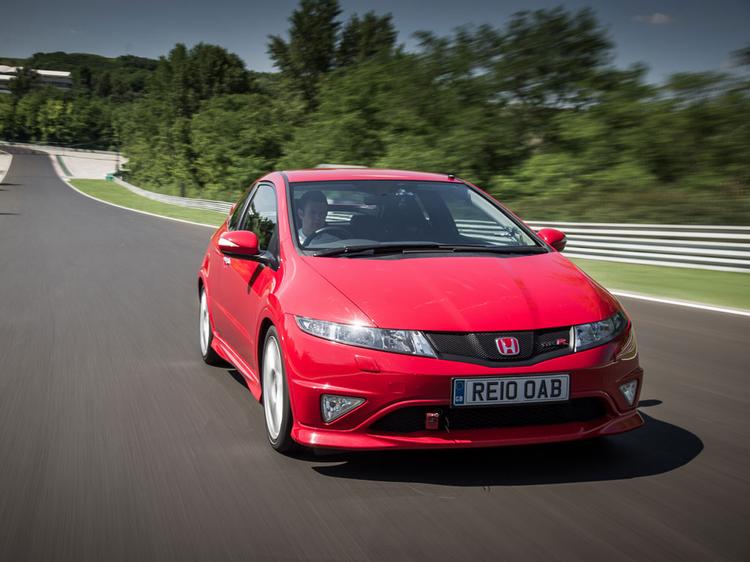
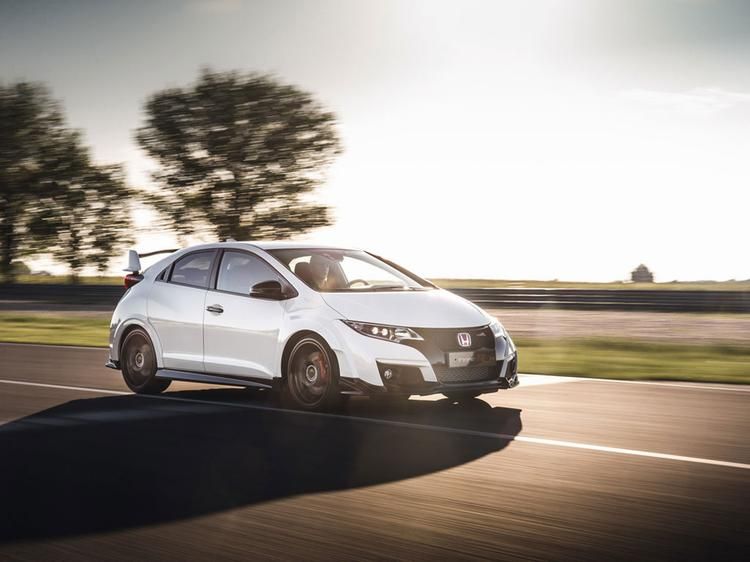
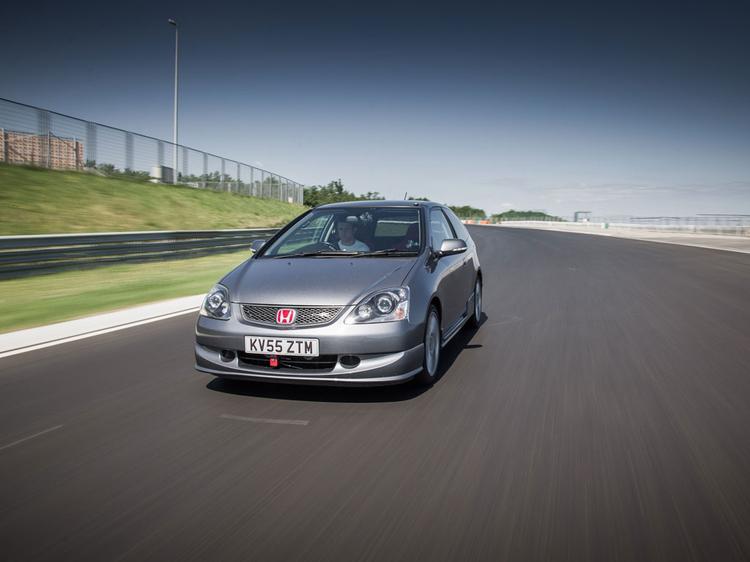
Honda Civic Type R generations: EP3 v. FN2 v. FK2

by Matt Bird of www.pistonheads.com

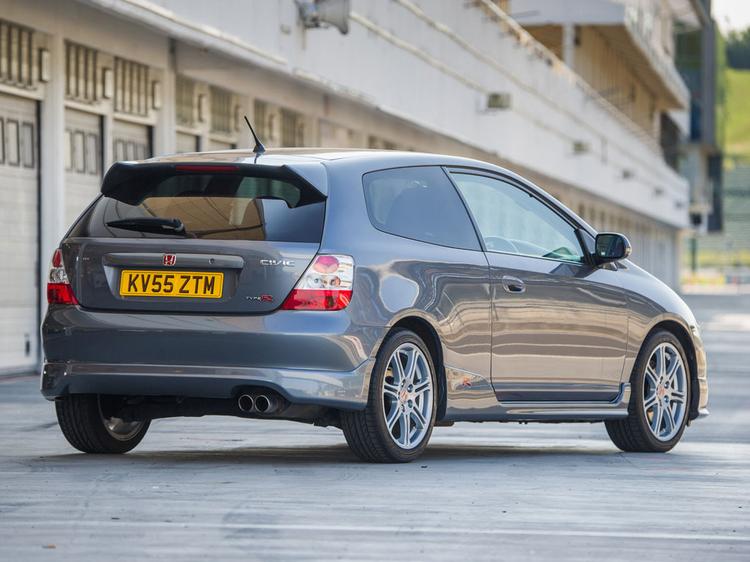
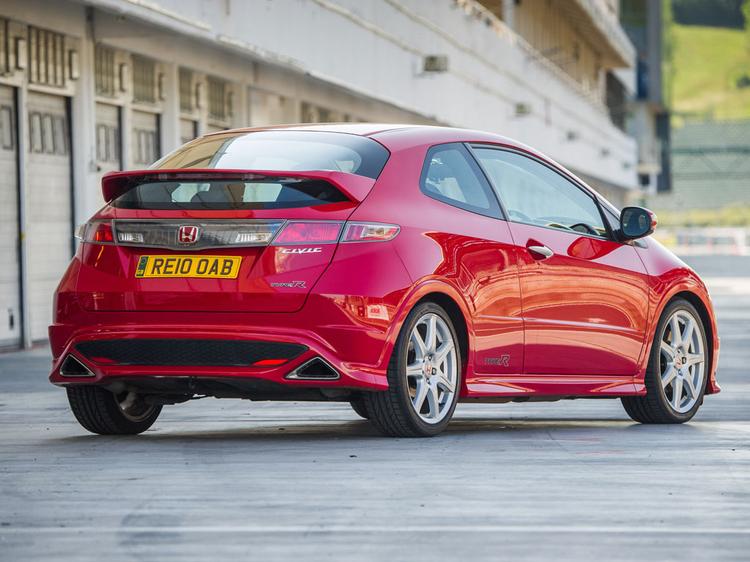
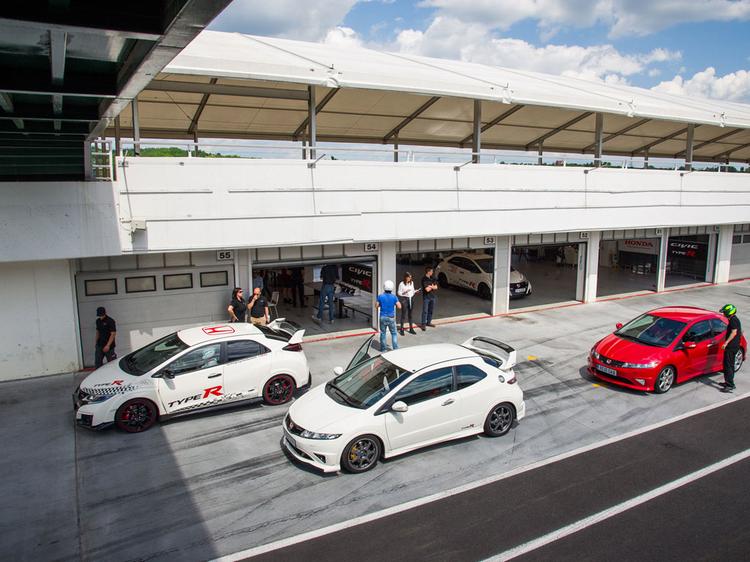
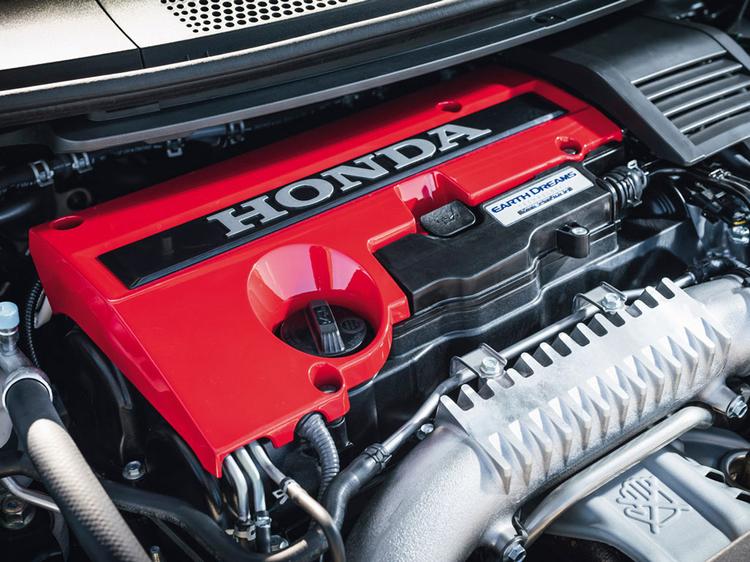
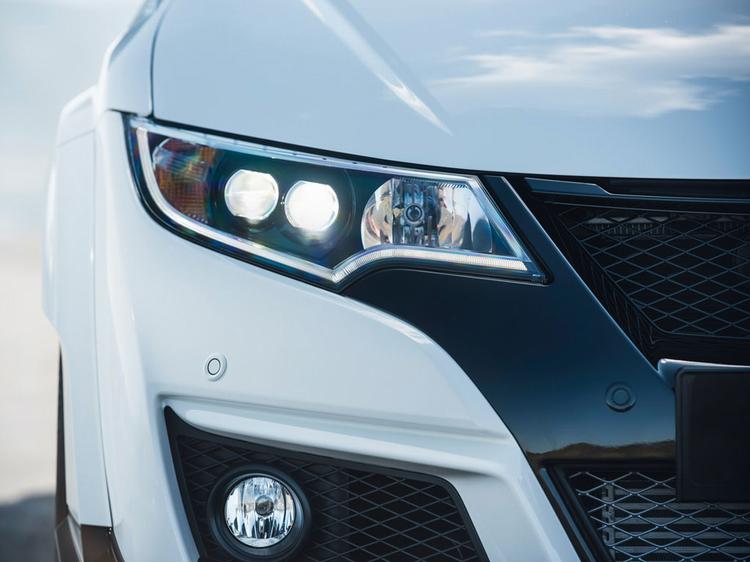
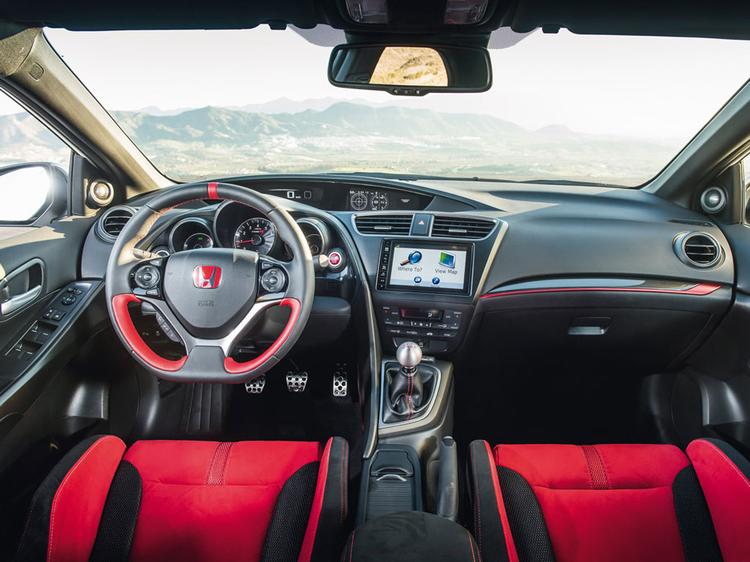
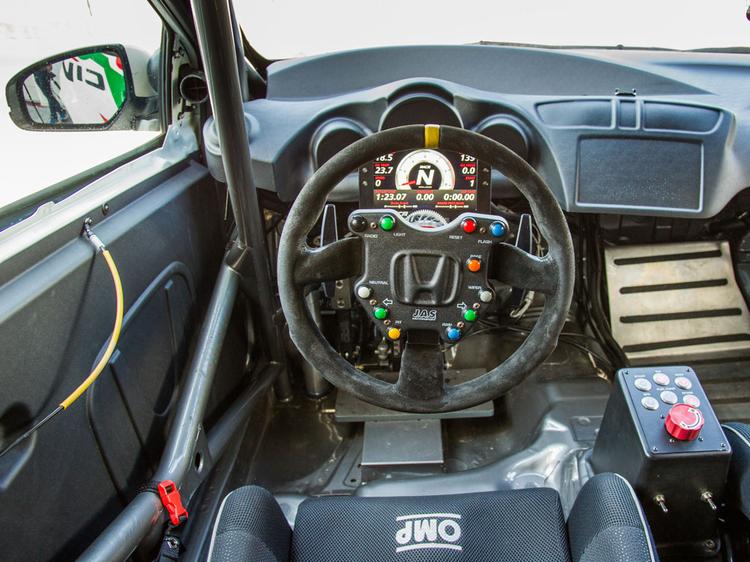
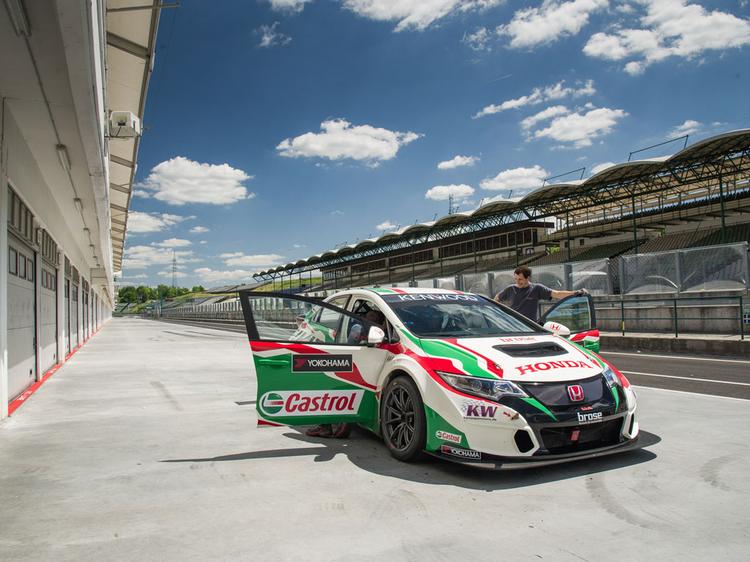
So there was a little more to the Honda Hungaroring trip than witnessing a lap record. There was also opportunity to try the old Civic Type Rs on circuit; with a current FK2 having been on the PH Fleet since March, a true three-car comparison was long overdue.

Yes, it is just the three cars. Honda doesn't have an EK9, FD2 or the Japanese-spec EP3 with extra power and a limited-slip diff, so apologies to those expecting a full JDM VTEC extravaganza. Instead we have a late (2005) EP3 UK Civic Type R, a 2010 FN2 and the current FK2. Can a turbo Type R really excite? Does the EP3 feel like a relic? When does the VTEC really kick in? To the track!
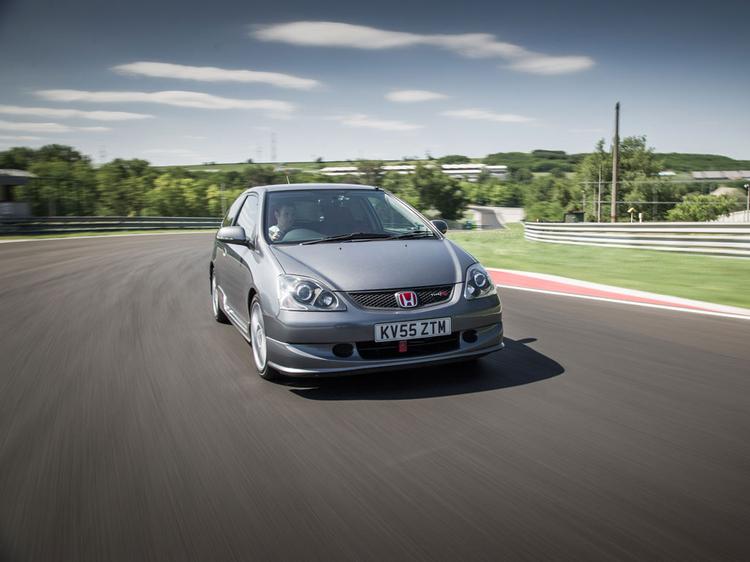
EP3 Civic Type R
'200hp for £16K!' screamed the coverlines on the EP3 Civic Type R's arrival. It's easy to forget what a big deal that was 15 years ago; not only was this the cheapest Type R ever offered (both the Accord and Integra were over £20K), it also looked great value in the hot hatch market.
As an impressionable pre-teen back then, and with Gran Turismo consuming every possible waking moment, the EP3 Civic Type R was a real hero car. It still is, in fact, so expectations were running high.

We start with low-speed tracking pics, but immediately the eagerness of that powertrain shines through. Having spent a while in the turbocharged car the way it responds to every little throttle input is joyous. Time to get rid of the photo car...

With the freedom of the circuit the EP3 can really be driven and - you've guessed it - the engine stars. It just keeps on revving and sounds feral, that glorious six-speed manual the perfect match. You will have heard all this before, but to have a naturally aspirated engine shriek to beyond 8,000rpm in a world where even Ferraris have to be turbocharged is just so exciting.

The handling is OK. This was a brief drive in Honda's heritage car but there's enough to sense some real agility and an eagerness from its relatively low mass. The Internet says the electric steering in facelifted cars like this one is improved on the original, but it still doesn't communicate enough about what's going on under the tyres. There's also a sense a contemporary Renaultsport product might have a little more finesse to the way it deals with bumps and changes in grip. Still, the EP3 remains an absolute hoot, largely because of that powertrain. It may seem an obvious one for a track project but with good reason - can the FN2 match it?

EP3 onboard


FN2 Civic Type R
There's a common belief , thanks in part to a certain television show, that the FN2 can't match the EP3's fun factor, that it's a poor relation and a rather duff Type R.
Sadly, while it would have been nice to confound those expectations, the later Civic is disappointing after the first UK Type R. The performance is still there if you work for it and the steering feel is improved, but elsewhere it struggles to move the fast Honda game on. Even on a circuit it feels stiffer than the EP3 but also oddly inert as well. The keenness from the older car is gone, replaced with a balance set to understeer and not a lot else. This isn't at far fetched journalist-trying-to-be-a-racer speeds either, as the laptimes aren't dissimilar to the older car. It wants to push almost as soon as you've turned in, which just isn't fun. Sadly the Mugen that promised so much on the road isn't available in Hungary, because it would surely have shown off the FN2 era in a far better light. As it stands the FN2 will remain the unloved Type R, even in this later specification with the limited-slip diff from the Championship White limited edition. This one looks rather fun with 350hp though...

FN2 onboard


FK2 Civic Type R
Now it gets serious. Yes, we've driven the current Type R on track in quite a few situations, but to compare it back-to-back with its predecessors reveals starkly just how far this car has moved the Civic on.
The FK2 Civic Type R always feels fast, but in the company of the other two it's savagely rapid. It's pulling so much harder from much lower down that the lack of a bonkers top end feels almost worth it for the massive increase in performance. Almost.

The gearbox is still fantastic, the brakes on another planet compared to the other two and traction better than the FN2 despite twice the torque. It's an absolute animal on the circuit, hugely composed over the Hungaronring's bumps and goading you into ever more optimistic brake and turn-in points. Yes, the tyres may not be as sticky as true track heroes would like and, yes, a Megane is probably more playful, but as a demonstration of how fast front-wheel drive can be the Type R is sublime.

It's interesting to note too the similarities between the cars too. In all three the gearbox is great and the steering wheel very good (despite the introduction of more buttons), but the seat always a little too high. While we're on gripes it's sad to report how much worse visibility is; it feels like there's acres of glass in the EP3 and a great view everywhere, which gradually declines with the FN2 and the current car as the spaceship design, er, took off. Shame.

FK2 onboard


Verdict
Given the age and value gap between these three, this was never going to be a conventional triple test. More it was to see how far the Civic Type R has evolved in 15 years, where it has been good and where it could have improved.
The EP3 is a right giggle; perhaps it’s not the most finely wrought hot hatch around but there’s sufficient excitement as standard and plenty of potential too. I’d love to try one of the Japanese cars with the limited-slip diff and additional power, just to see if it’s good as Gran Turismo suggested. Hopefully the seat has been dropped in that one too…

The FN2 does feel like a backwards step sadly. Perhaps that would have been different with the Mugen but then that was nearly £40K when new – it’s a significantly more focused car. If you really can’t stand the looks of the original car then go for the FN2, but otherwise it’s quite hard to recommend. Sorry.

The current car feels about three generations on from the FN2; not simply in terms of performance but in the way it feels so much more better built and structurally rigid too. It’s a different kind of car to those that preceded it, but arguably a more complete and competitive hot hatch than it’s ever been.
This Civic Type R can learn some things from the old ones though. It needs better throttle response, for starters, but a few more revs would be good as well. Of course we won’t get 9,000rpm again, but for now the Type R doesn’t really rev any higher than its rivals. The engine feels really keen, and a redline of 7,500rpm would give it a selling point over its numerous competitors. That being said, for Honda to have returned to the Civic Type R with a car so far improved from the one before it is to be applauded. Let’s hope the progress continues over the next 15 years.


HONDA CIVIC TYPE R (EP3)
Engine
: 1,998cc, 4-cyl
Transmission: 6-speed manual, front-wheel drive
Power (hp): 200@7,400rpm
Torque (lb ft): 145@5,900rpm
0-62mph: 6.6sec
Top speed: 146mph
Weight: N/A
MPG: 31.7
CO2: 212g/km
Price: £15,995 (2001)
HONDA CIVIC TYPE R (FN2)
Engine
: 1,998cc 4-cyl
Transmission: 6-speed manual, front-wheel drive
Power (hp): 201@7,800rpm
Torque (lb ft): 142@5,600rpm
0-62mph: 6.6sec
Top speed: 146mph
Weight: N/A
MPG: 31
CO2: 215g/km
Price: £17,600 (2007)
HONDA CIVIC TYPE R (FK2)
Engine:
 1,996cc 4-cyl turbo
Transmission: 6-speed manual, front-wheel drive
Power (hp): 310@6,500rpm
Torque (lb ft): 295@2,500-4,500rpm
0-62mph: 5.7 sec
Top speed: 167mph
Weight: 1,467kg (Honda figure, with fluids and driver)
MPG: 38.7mpg (Honda internal figure)
CO2: 170g/km (Honda internal figure) 
Price: £29,995


Source;
http://www.pistonheads.com/features/ph-features/honda-civic-type-r-generations-ep3-v-fn2-v-fk2/34428

New Honda Freed Leaked In China


China’s leaky patent bureau had leaked again; this time with renderings of the new Honda Freed mini MPV that is scheduled for launch in September. The Honda Freed is mostly sold in Asian and South East Asian markets, but not in China. The new Freed however will make it to the Chinese market.

The current Freed debuted in 2008, is is based on the same platform as the Jazz/Fit. It is manufactured in Japan and in Indonesia. If it comes to China it will be made locally by one of Honda’s joint ventures; Dongfeng-Honda or Guangzhou-Honda.

The Freed is powered by a 1.5 with 118hp and 148nm, mated to a five-speed manual or a CVT. The engine will continue in the new Freed with a few horses more. Honda is also working on a full-electric version of the Freed.
Current Freed.
The market for small and mini MPVs is booming in China, so bringing in the Freed now would be a good idea. It has to be cheap though, to compare with the offerings of local Chinese car makers, which are getting better by the day.

Source;
http://www.carnewschina.com/2016/06/23/new-honda-freed-leaked-in-china/

Tuesday, June 21, 2016

Refreshed 2017 Acura MDX Launches with Bold New Styling, Premium Features and Standard AcuraWatch™ Technology

  • 2017 MDX showcases next evolution of the Acura Precision Concept-inspired new Acura Diamond Pentagon grille and exterior styling
  • Most premium and technologically advanced MDX in history now available with 20-inch wheels, second row captain's chairs, HD traffic, SiriusXM Radio® 2.0, heated steering wheel and Surround View Camera
  • Sport Hybrid Super Handling All-Wheel Drive (SH-AWD) variant launching later this year
  • MDX is America's best-selling three-row luxury SUV of all time
The restyled and refreshed 2017 Acura MDX, the best-selling three-row luxury SUV of all time, goes on sale tomorrow at Acura dealerships nationwide with a starting MSRP of $43,950. The 2017 Acura MDX raises its game with bold new exterior styling, larger wheel and tire options and an expanded complement of premium features and technologies, including the AcuraWatch™ suite of advanced safety and driver-assistive technologies, now offered as standard equipment on all 2017 MDX models, a first in the luxury SUV segment.

Featuring refreshed exterior styling inspired by the Acura Precision Concept, the 2017 MDX is highlighted by the new face of Acura, the bold and distinctive Diamond Pentagon grille. Integrated with a more sculpted hood, front fascia, front fenders and revised Jewel Eye™ headlights, the result is a more "executive athletic" appearance for Acura's class-leading luxury SUV. Additional styling updates include new chrome rocker panel trim, a revised rear bumper and skid garnish, and the return of visible dual exhausts with bright finishers.

"We're raising the Acura MDX's game for 2017 with premium new features and technologies that luxury SUV buyers want, complemented by bold, new styling we know they're going to love," said Jon Ikeda, vice president and general manager, Acura Division. "Backed by its high-performance credentials, the 2017 MDX has advanced its competitiveness and will continue its legacy of leadership as the best-selling three-row luxury SUV in America."

Premium Content
All 2017 MDX models benefit from increased standard luxury and technology features, including an Electric Parking Brake with Automatic Brake Hold, Auto High Beam headlights, SiriusXM Radio 2.0, four 2.5-amp USB charging ports and capless fuel filler. Technology and Advance packages add Bi-Directional Keyless Remote Engine Start, two new 20-inch wheel and tire options, power folding side mirrors, and HD Traffic.

In addition, Advance grades add LED fog lights, genuine Olive Ash Burl or Black Limba wood interior trim, a heated steering wheel and Surround-View Camera System with six selectable viewing angles. Advance models can also be equipped with two second-row captain's chairs and a center console with two additional USB ports for third-row passengers. An ultra-widescreen Rear Entertainment System is also available on models with the Advance ENT Package.

Safety
All 2017 Acura MDX models come equipped with the AcuraWatch suite of safety and driver-assistive technologies: Collision Mitigation Braking System (CMBS), Lane Departure Warning (LDW), Forward Collision Warning (FCW), Lane Keeping Assist (LKAS), Adaptive Cruise Control (ACC) with Low-Speed Follow (LSF) and Road Departure Mitigation (RDM). All models also come equipped with a multi-angle rearview camera, and upper grades add blind spot information (BSI), front and rear parking sensors, Rear Cross Traffic Monitor and new Auto High Beam.

Combining AcuraWatch with Acura's next-generation Advanced Compatibility Engineering™ (ACE™) body structure, the 2017 MDX delivers intelligent safety and confident driving performance at the top of the competitive segment and targets top safety ratings; a five-star Overall Vehicle Score from the National Highway Traffic Safety Administration (NHTSA) has already been achieved, and a TOP SAFETY PICK+ rating from the Insurance Institute for Highway Safety (IIHS) is anticipated.

Powertrain
The 2017 MDX leads its class with its combination of refined and responsive power and outstanding fuel efficiency. The 3.5-liter direct-injected i-VTEC® 24-valve V-6 engine is rated at 290 peak horsepower and 267 lb.-ft. peak torque. The 2017 MDX with front-wheel drive and Idle Stop has an EPA fuel economy rating of 20 mpg city/27 highway/23 combined, and MDX with Super Handling All-Wheel Drive (SH-AWD) and Idle Stop is EPA rated at 19 mpg city/26 highway/22 combined. The MDX also meets the stringent EPA Tier 3/Bin 125 and CARB LEVIII ULEV-125 emissions standards.

An available Sport Hybrid Super Handling-All Wheel Drive™ (SH-AWD®) powertrain variant will be available later in the year, making MDX the third model in Acura's lineup to utilize its revolutionary three-motor Sport Hybrid powertrain with electric torque vectoring.

For More Information
Additional media information including pricing, features and high-resolution photography is available at www.acuranews.com/channels/mdx. Consumer information is available at www.acura.com. To join the Acura community on Facebook, visit facebook.com/Acura.

About Acura
Acura is a leading automotive luxury nameplate that delivers Precision Crafted Performance, an original approach to technology and design that creates a new driving experience. On March 27, 2016, Acura celebrated the 30th anniversary of its launch as the first luxury nameplate from a Japanese automaker.

The Acura lineup features five distinctive models – the RLX luxury flagship sedan, the TLX performance luxury sedan, the ILX sport sedan, the 5-passenger RDX luxury crossover SUV, and the seven-passenger Acura MDX, America's all-time best-selling three-row luxury SUV. This spring, Acura launched its next-generation, electrified NSX supercar as a new and pinnacle expression of Acura Precision Crafted Performance.

Source;
http://www.hondanews.com/releases/refreshed-2017-acura-mdx-launches-with-bold-new-styling-premium-features-and-standard-acurawatch-technology

LeftLaneNews: 2017 Honda Odyssey Spyshots

by Drew Johnson of www.leftlanenews.com

Honda's next-generation Odyssey minivan has been spotted undergoing high-altitude testing in the Colorado Rockies. Honda's next people mover is expected to go on sale later this year

The 2017 Odyssey will adopt new exterior styling with influences from the Pilot crossover. That should mean new headlights with LED accent and a more aggressive looking lower bumper area.

Although still covered in heavy camouflage, it's clear that the new Odyssey will ditch the controversial "lightning bolt" belt line that adorns today's van. That should give the Odyssey a more conventional van look. The rear of the minivan will also be redesigned, but those details are still hidden.

The 2017 Odyssey is expected to use Honda's latest 3.5L V6 engine with about 280 horsepower on tap. As with top-spec versions of the Pilot, the Odyssey will use a nine-speed automatic. Front-wheel drive will likely be the only configuration on offer. It's possible that Honda could eventually offer the Odyssey with a hybrid drivetrain.

The 2017 Odyssey will continue to offer Honda's outstanding packaging along with the HondaVac vacuum system. Android Auto and Apple CarPlay will be the highlights of a new infotainment system.

Look for the 2017 Honda Odyssey to go on sale before the end of the year.


Source (with 12 pictures);
http://www.leftlanenews.com/spied-2017-honda-odyssey-92076.html

The Motley Fool: Is This Electric Racing Car a Hint That Honda Will Challenge Tesla Motors?

Honda's Acura EV Concept is a battery-electric race car that will compete in the Pike's Peak Hill Climb. It includes technology that Honda might be refining for upcoming electric cars

Honda's latest concept car is a battery-electric Acura-NSX-based racer with four electric motors. Honda has been late to the battery-electric car race, but the new race car's technology hints that it might be gearing up to launch a Tesla rival.


by John Rosevear of www.fool.com

Honda (NYSE:HMC) said on Monday that it will enter a battery-electric concept car into this year's Pike's Peak Hill Climb, a fiercely contested event in which racers compete for the fastest time up a steep and winding mountain road in Colorado.

The Acura EV Concept, as the car is called, is based on the hybrid Acura NSX supercar and builds on technology that Honda used in another experimental race car at last year's event. It's a strong hint that Honda may be planning its own entry into the upscale battery-electric car market currently dominated by Tesla Motors (NASDAQ:TSLA).

That's of interest to future-minded investors watching the automotive space. Here's why.

A four-motor electric race car that is based on production technology

When we think of big automakers that might step up to challenge Tesla with "premium electric vehicles" with entries of their own, we typically think of the German luxury brands, all three of which are known to be working on battery-electric models. We might also think of one or two others -- perhaps General Motors (NYSE:GM), which has moved to embrace advanced technologies more aggressively than most of its mass-market rivals.


Needless to say, Honda isn't exactly the first one to come to mind, and that perception has probably hurt it with future-minded investors.

Honda has dabbled with "green" technologies like fuel cells and produced well-regarded hybrids for years, but it hasn't (yet) made a big splash in the world of battery-electric cars, much less premium once.

The Acura EV Concept might be a sign that that's set to change. While Honda didn't share much detail, it did note that the concept builds on the electrified part of the "sport hybrid" powertrain system that's part of the new Acura NSX sports car. Simply put, it uses a system of four electric motors, one for each wheel. That allows the car's computer to "vector torque" -- to fine-tune the power applied to each wheel on the fly.

Done right, it should make for electrifying (so to speak) handling that goes far beyond what can be accomplished with traditional gas-powered drivetrains, and a step beyond anything that Tesla has so far attempted. It should be ideal for a for a tight, twisty race course like Pike's Peak -- and it might make for a very fun-to-drive premium sports-luxury car.

So will Honda build it or something like it?

That's unclear. But there are a growing number of clues that Honda is finally making an aggressive move toward battery-electric cars.

Honda CEO Takahiro Hachigo has had the top job for less than a year, but he's already taken big steps to reorient the company toward the emerging electric future. Honda hasn't yet announced detailed plans for specific electric vehicles. Hachigo, citing concerns about recharging and hydrogen-refueling infrastructure, has said that Honda will focus the bulk of its efforts on plug-in hybrids in the near term.

But Hachigo recently told Autocar magazine that he expects that battery-electric and fuel-cell vehicles will together make up about 15% of the company's total global sales by 2030 and a majority by 2050.

That and the Acura EV Concept race car suggest that something is coming. And that in turn could reassure investors concerned that "disruption" will overtake the historically innovative Japanese automaker.

Source;
http://www.fool.com/investing/2016/06/20/is-this-electric-racing-car-a-hint-that-honda-will.aspx